

6,700 Millionaires Relocated to the UAE in 2024 – What’s Fueling the Shift?
Amie Roberts • July 1, 2025
Introduction: A New Global Wealth Hub
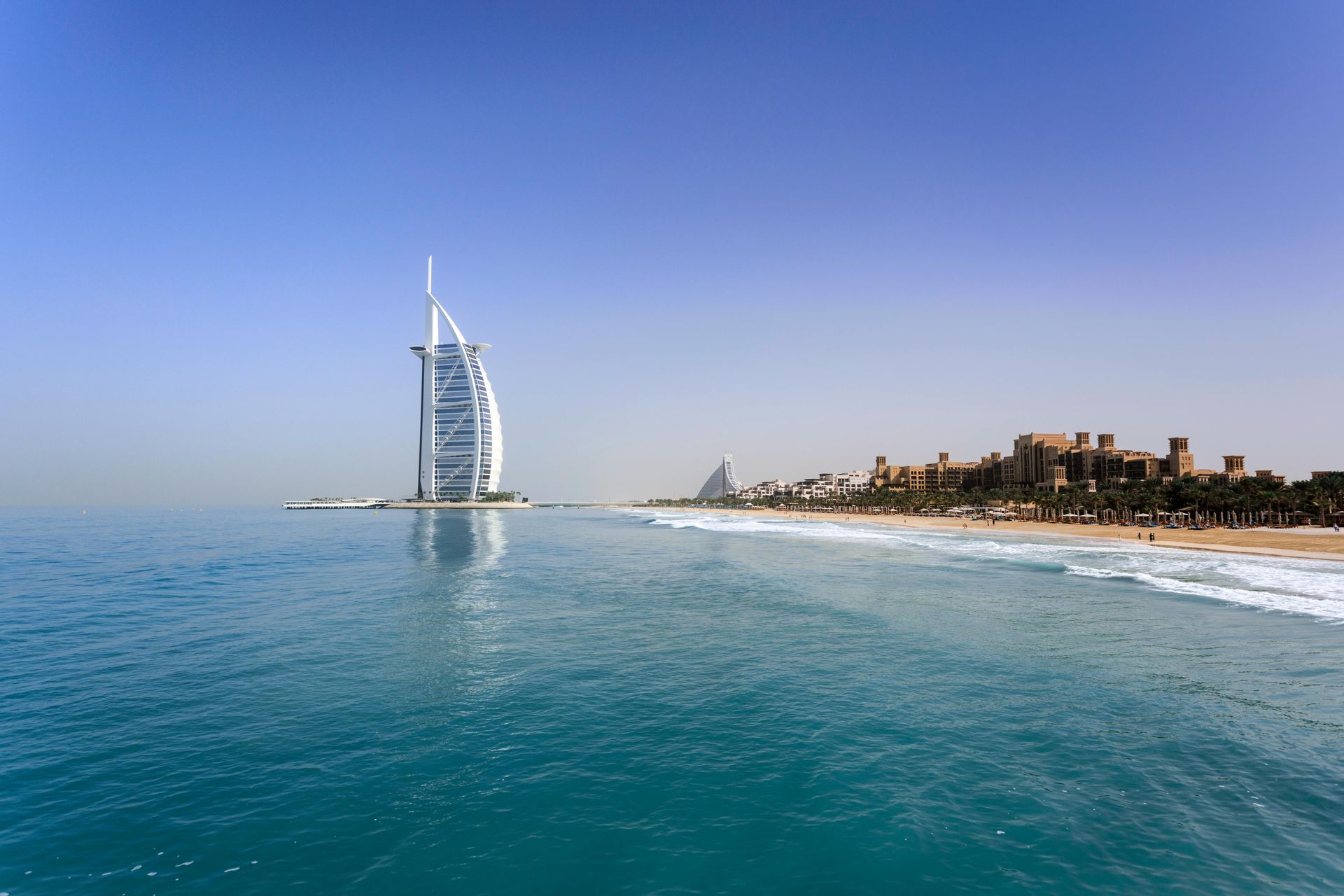
In 2024, the UAE welcomed an estimated 6,700 new millionaires, with projections suggesting that number will rise in 2025. This wave of affluent individuals isn’t just boosting property sales—it’s transforming the Emirates into one of the world’s leading wealth destinations.
Contact us
For business owners and professionals looking for growth, security, and tax advantages, this trend is more than a headline—it’s a roadmap.
Why Are Millionaires Choosing the UAE?
High-net-worth individuals (HNWIs) are drawn to the UAE for several key reasons:
- No income tax, capital gains tax, or inheritance tax
- Golden Visa programmes offering long-term, flexible residency
- Stable political and economic environment
- Strategic location—ideal for global business and travel
Strong infrastructure—from luxury property to global-standard healthcare and education
In a world where fiscal scrutiny is tightening, the UAE offers a rare combination: financial freedom and lifestyle appeal.
Where Are They Coming From?
The UAE is attracting millionaires from a range of countries, including:
- The UK and Western Europe
- Russia and the CIS region
- India, Pakistan, and other parts of South Asia
- Sub-Saharan Africa
- North America, especially those seeking secondary residence options
This diverse group reflects a global desire for geographic diversification, asset protection, and new opportunities in low-tax jurisdictions.
Where Are They Settling?
The most popular destinations within the UAE for relocating millionaires include:
- Dubai – Specifically Palm Jumeirah, Downtown, Dubai Hills Estate, and Emirates Hills
- Abu Dhabi – Saadiyat Island, Al Reem Island, and Yas Island
- Sharjah and Ras Al Khaimah – Emerging as alternatives offering lower costs and strong ROI
These areas are attractive for both residential living and investment, offering freehold ownership, security, and easy access to international airports and business hubs.
What’s Driving the Investment?
Many of these millionaires are not just moving for lifestyle reasons—they’re also investing. Key trends include:
- Luxury property acquisition as a store of value
- Business relocation or the opening of new ventures in the UAE
- Family offices being established in Dubai and Abu Dhabi
- Investment in startups, tech, crypto and sustainable industries
The UAE’s ease of doing business, absence of restrictions on foreign ownership, and progressive visa policies make it a natural choice for wealthy individuals looking to combine personal and commercial goals.
What It Means for Existing Businesses
The influx of high-net-worth residents creates demand for:
- Private banking and wealth advisory services
- Luxury goods and concierge offerings
- Education and healthcare at premium levels
- Custom property development and management
- Corporate services like tax structuring, trust setup, and business formation
If you're already operating in one of these sectors—or considering a UAE expansion—this migration wave offers a ready-made audience of affluent, mobile, and motivated clients.
Conclusion: A Defining Moment for the UAE
With 6,700 new millionaires choosing the Emirates in just one year, the UAE has moved from regional powerhouse to global wealth destination. For those looking to move a business, establish a base, or simply secure long-term residency, the message is clear:
Follow the capital. It’s heading to the UAE.
At Mosaic Chambers Group, we support clients across borders—not only in the UAE, but around the world. With hubs in both Dubai and the UK, our relocation and corporate services extend globally, making us the trusted partner for businesses serious about long-term growth. Get in touch below to find out more.

Explore UAE crypto tax rules, the UAE’s zero personal tax environment and why the country is attracting crypto investors considering relocation.
Considering a move from the UK to Greece? Explore Greece’s non-dom tax regime, UK exit tax considerations, and how Greece compares with the UAE, Italy and Portugal.