Property in Dubai: A Strategic Guide to Property Types and Key Areas
A Comprehensive Guide to Residential, Commercial and Investment Property Across Dubai’s Prime Areas
Dubai has established itself as one of the world’s most dynamic real estate markets. For international investors, relocating families and entrepreneurs, understanding the types of property available — and where they are located — is critical to making an informed decision.
This guide provides a structured overview of Dubai’s residential, commercial and mixed-use property sectors, together with insights into high-growth areas and practical considerations.
Residential Property in Dubai
Dubai’s residential offering ranges from entry-level apartments to ultra-prime waterfront estates. The choice of location will significantly influence capital appreciation, rental yield and lifestyle.
1. Apartments
Apartments dominate Dubai’s skyline and appeal to professionals, investors and short-term rental operators.
Prime apartment districts include:
Downtown Dubai – Home to the Burj Khalifa and Dubai Mall. High demand for luxury and serviced apartments.
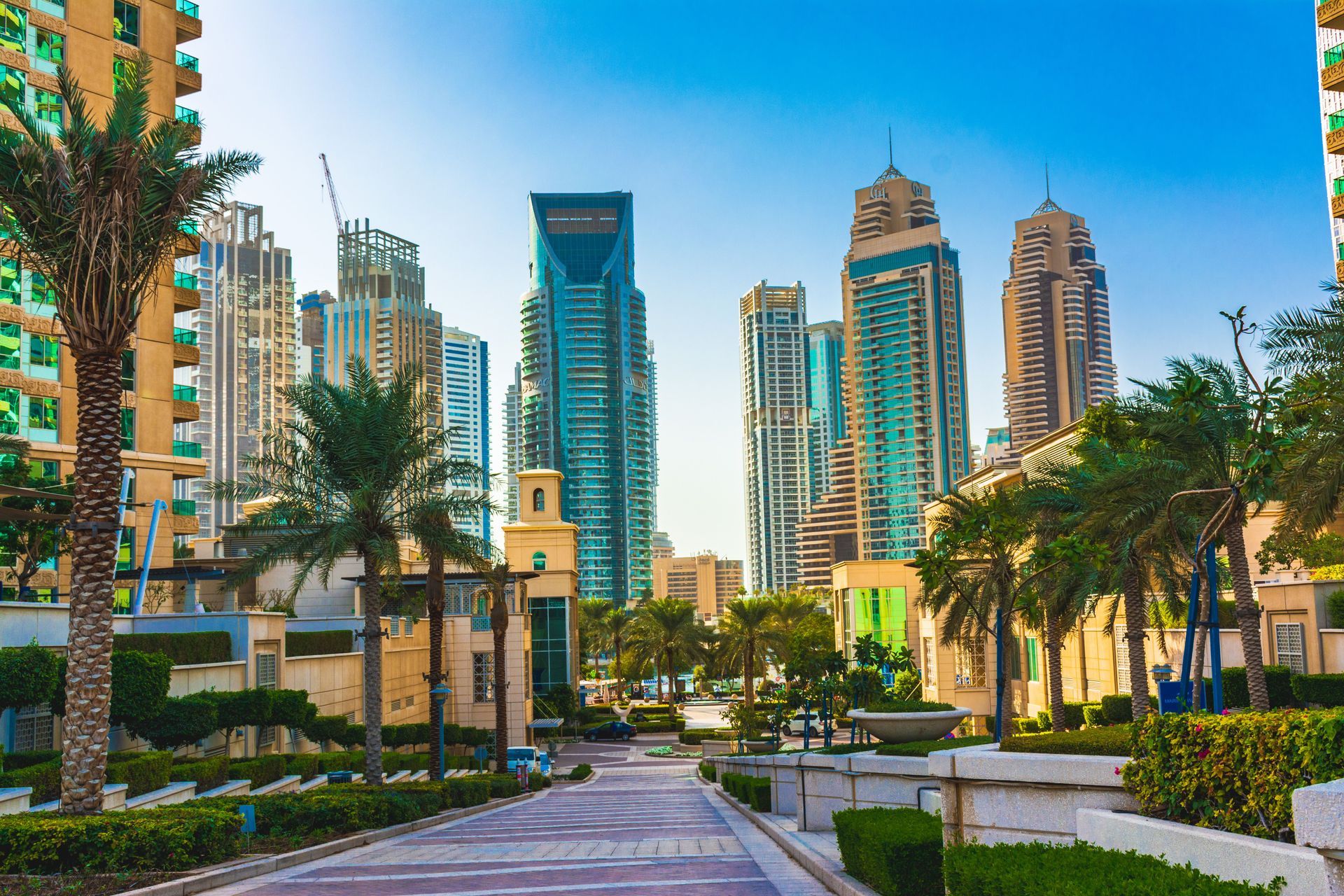
Dubai Marina – Waterfront towers popular with expatriates and holiday lets.
Jumeirah Lake Towers – More competitively priced high-rise living with strong rental returns.
Apartments range from studios to multi-bedroom penthouses. Investors often favour these areas due to liquidity and established infrastructure.
2. Villas and Townhouses
For families or those prioritising space and privacy, villas and townhouses in master-planned communities are attractive.
Key villa communities include:
Arabian Ranches – Established gated community with schools and parks.
Palm Jumeirah – Waterfront villas and branded residences.
Dubai Hills Estate – Golf-course living with strong growth trajectory.
These areas appeal to long-term residents and international buyers relocating to the UAE.
3. Ultra-Luxury Residences
Dubai is internationally recognised for its ultra-prime real estate.
High-net-worth buyers are drawn to:
- Penthouses in Downtown Dubai
- Signature villas on Palm Jumeirah
- Branded residences linked to global hospitality groups
Demand in this segment remains resilient, driven by international wealth migration and favourable tax positioning.
Commercial Property in Dubai
Dubai’s strategic geographic position and business-friendly framework make it a regional commercial hub.
Office Space
Primary office districts include:
- Dubai International Financial Centre – Financial services and professional firms.
- Business Bay – Corporate offices and mixed-use towers.
- Sheikh Zayed Road – Established commercial corridor.
Options range from serviced offices to entire floors within Grade A towers.
Retail and Industrial Property
Retail premises benefit from Dubai’s strong consumer market and tourism flow.
Industrial and logistics facilities are concentrated in:
Jebel Ali Free Zone – Major logistics and manufacturing hub.
Dubai South – Positioned near Al Maktoum International Airport, with significant long-term growth potential.
Mixed-Use Developments
Dubai has actively developed integrated communities combining residential, retail and leisure facilities.
Notable examples include:
- Dubai Marina
- Downtown Dubai
These districts offer strong rental demand due to convenience and lifestyle amenities.
Growth Areas to Watch
Emerging and expanding districts include:
- Dubai South
- Dubai Hills Estate
- Mohammed Bin Rashid City
Infrastructure investment and new master developments continue to drive capital appreciation in these areas.
Financing and Acquisition Costs
Mortgage lending
UAE residents: typically up to 80% loan-to-value
Non-residents: typically up to 60% loan-to-value
Transaction costs include:
4% transfer fee payable to the Dubai Land Department
Agent commission (typically 2%)
Service charges for communal maintenance
Residency Through Property Ownership
Qualifying property investments may make buyers eligible for long-term UAE residency options, including the Golden Visa. This is often a key driver for international families seeking stability and tax efficiency.
Strategic Considerations
Before acquiring property in Dubai, buyers should assess:
- Freehold vs leasehold ownership structures
- Off-plan vs completed property risk profile
- Service charge liabilities
- Exit strategy and resale liquidity
Professional advice is essential to ensure regulatory compliance and alignment with wider tax and relocation planning.
Next Steps
Dubai’s property market offers genuine opportunity, but it requires structured planning and informed decision-making.
If you are considering acquiring property in Dubai, relocating to the UAE, or structuring an investment efficiently, speak with our advisory team.
Download our Dubai Property Guide
Alternatively, contact Mosaic Chambers Group to discuss your options.
Contact Us