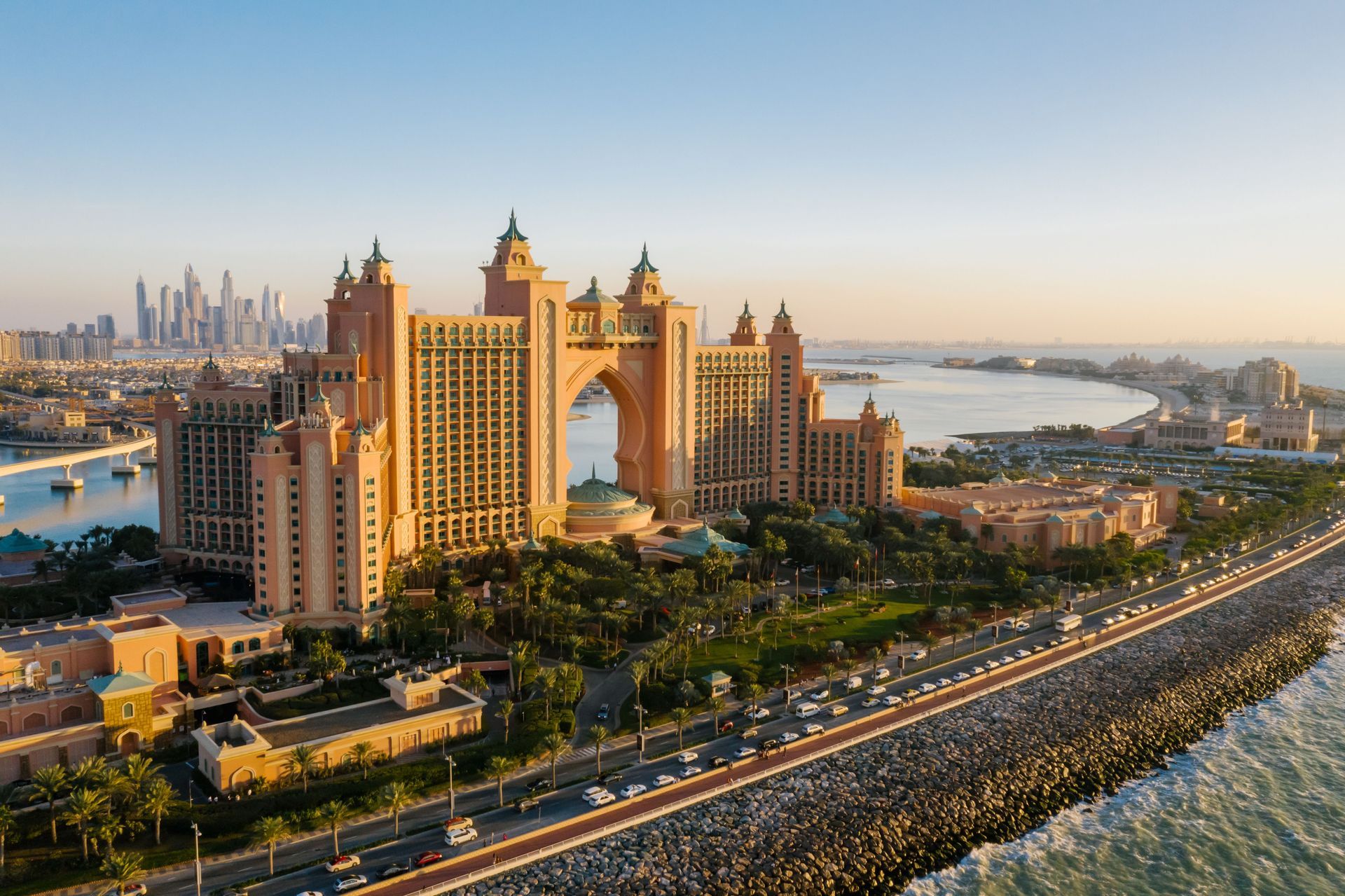
Four destinations stand out for high-net-worth UK individuals as at late 2025:
1. United Arab Emirates (Dubai)
2. Portugal
3. Switzerland
4. Malta
Each offers a different blend of tax advantages, residency options and lifestyle.
United Arab Emirates (Dubai) - Dubai is now the default choice for many UK entrepreneurs and professionals.
Tax
For individuals, there is currently no personal income tax on salaries, bonuses or most investment income, and no local capital gains or inheritance tax regime for individuals. There is VAT and a developing corporate tax regime, but personal tax remains far lighter than in the UK. The UK–UAE double tax treaty helps reduce the risk of the same income being taxed twice and needs to be considered alongside UK residence rules.
Residency
Common routes for UK nationals include:
- Employer- or company-sponsored residence visas
- Remote-worker visas for those employed or self-employed abroad
- Long-term “golden” style visas linked to investment, property or professional status
- Retirement options for over-55s.
(All require private health insurance and periodic renewal.)
Lifestyle
Dubai offers a high standard of living, excellent connectivity and a large, well-established British community. Housing and schooling are expensive and the lifestyle can encourage overspending, but for many the tax position and opportunity outweigh the costs.
Best for: Maximising net income and building or scaling a business in a dynamic, international city.
Portugal
-
Portugal appeals to those who want EU residency, a milder climate and a slower pace of life.
Tax
The old NHR regime has closed to new applicants and been replaced by a newer incentive framework (often referred to as IFICI) aimed at certain professionals and activities. The UK–Portugal tax treaty reduces double taxation, and Portugal does not operate a classic wealth tax, though property-related charges can apply. (It's signed and ratified but not yet fully in force as of early 2026, which may slightly affect immediate tax planning).
Residency
Post-Brexit, common routes for UK nationals include:
- D7 visa – for those with sufficient passive income (pensions, investments, rentals).
- D8 / Digital Nomad visa – for remote workers with qualifying income from abroad.
- Work and other residence visas tied to employment or specific skills.
These can lead to long-term residence and, ultimately, citizenship if physical presence and integration tests are met.
Lifestyle
Cost of living is generally below the UK (though higher in central Lisbon and the Algarve), English is widely spoken in cities, and the public and private healthcare systems are well regarded. There are large British and wider international communities.
Best for: Those wanting EU residence, good quality of life and a balance of tax and lifestyle advantages.
Switzerland
-
Switzerland attracts UK families who prioritise security, discretion and top-tier services.
Tax
Tax is set at federal, cantonal and communal level, so overall rates vary widely by canton. Well-chosen cantons can be very competitive for both individuals and companies.
Private capital gains are not generally taxed, but there is an annual wealth tax on net assets, with rules depending on location.
For suitable non-working individuals, some cantons still offer lump-sum (forfait) taxation, where tax is based on living costs rather than worldwide income, subject to minimum levels and conditions.
Residency
As non-EU nationals, UK citizens use:
- B permits – time-limited residence, often linked to work
- L permits – short-term residence for specific assignments
- C permits – longer-term settlement after sustained residence and integration
Wealthy retirees and non-working individuals may be able to obtain residence based on financial self-sufficiency and, in some cantons, lump-sum taxation.
Lifestyle
High costs are offset by excellent infrastructure, schools and healthcare (with compulsory private health insurance). International communities are strong in Zurich, Geneva and other cities, though social life can feel more formal than Southern Europe.
Best for: Those seeking stability, discretion and first-class public services and education, rather than the lowest day-to-day costs.
Malta
-
Malta is a compact EU state with a very familiar feel for UK nationals: English is an official language and the legal and business environment is comfortable for British professionals.
Tax
Malta’s tax system and UK–Malta treaty can be particularly attractive where you hold significant foreign-source income. Under the Global Residence Programme, qualifying individuals can pay a favourable flat rate on foreign income remitted to Malta, while foreign capital gains kept offshore are generally not taxed in Malta.
There is no separate wealth tax and no classic inheritance tax, though duties may apply to certain Maltese assets. The separate “golden passport” (citizenship by investment) route has been struck down by the EU’s top court, but residence programmes remain available.
Residency
Options for UK citizens include:
- Employer-sponsored Single Permits combining work and residence
- The Global Residence Programme for financially self-sufficient individuals meeting property and minimum tax thresholds
- Digital-nomad-style visas for remote workers
- Long-term residence after several years of compliant stay
Lifestyle
Costs (especially rent and property) are typically lower than in the UK outside the most fashionable areas. English is widely used in government and business, healthcare is solid, and London is only a short flight away.
Best for: Those wanting an English-speaking EU base with favourable treatment of foreign-source income and a tight-knit expat community.
How to decide & next steps
-
All four countries can work extremely well for UK high-net-worth individuals, but for different profiles:
- Choose Dubai if your priority is low personal tax on active income and you are comfortable with a high-energy city.
- Choose Portugal if EU residency, climate and lifestyle matter as much as tax.
- Choose Switzerland if stability, education and healthcare are at the top of your list.
- Choose Malta if you want an English-speaking EU base with flexible options for foreign income.
The right answer depends on your overall wealth, income mix, family plans and how tied you remain to the UK.
If you would like bespoke, confidential advice on whether remaining UK-resident or relocating to Dubai, Portugal, Switzerland or Malta is the better strategy for your situation, you are welcome to get in touch to explore your options in detail.