A Global Shift in Wealth: Why 2026 Marks a Turning Point for High-Net-Worth Migration

Amie Roberts • May 7, 2026

The Great Wealth Shuffle: What’s Up with Capital by 2026?

So, here’s the scoop: wealth is on the move, and it’s moving fast. By 2026, an estimated 165,000 millionaires are expected to pack their bags and make a dash for greener pastures. This isn’t just the usual wanderlust - it’s a strategic exit driven by tax perks, political stability, and a bunch of other grown-up reasons. 


The Advisors' Playground

For businesses offering global advisory services, this is a big deal. The uptick in high-net-worth individuals (HNWIs) means there’s a growing demand for expertise in everything from residency advice to smart investment strategies. People are all about making their money work smarter and safer, rather than just harder. Think of it as a wealth playbook, tackling issues like jurisdictional risk and long-term planning in a world that’s a little shaky these days.

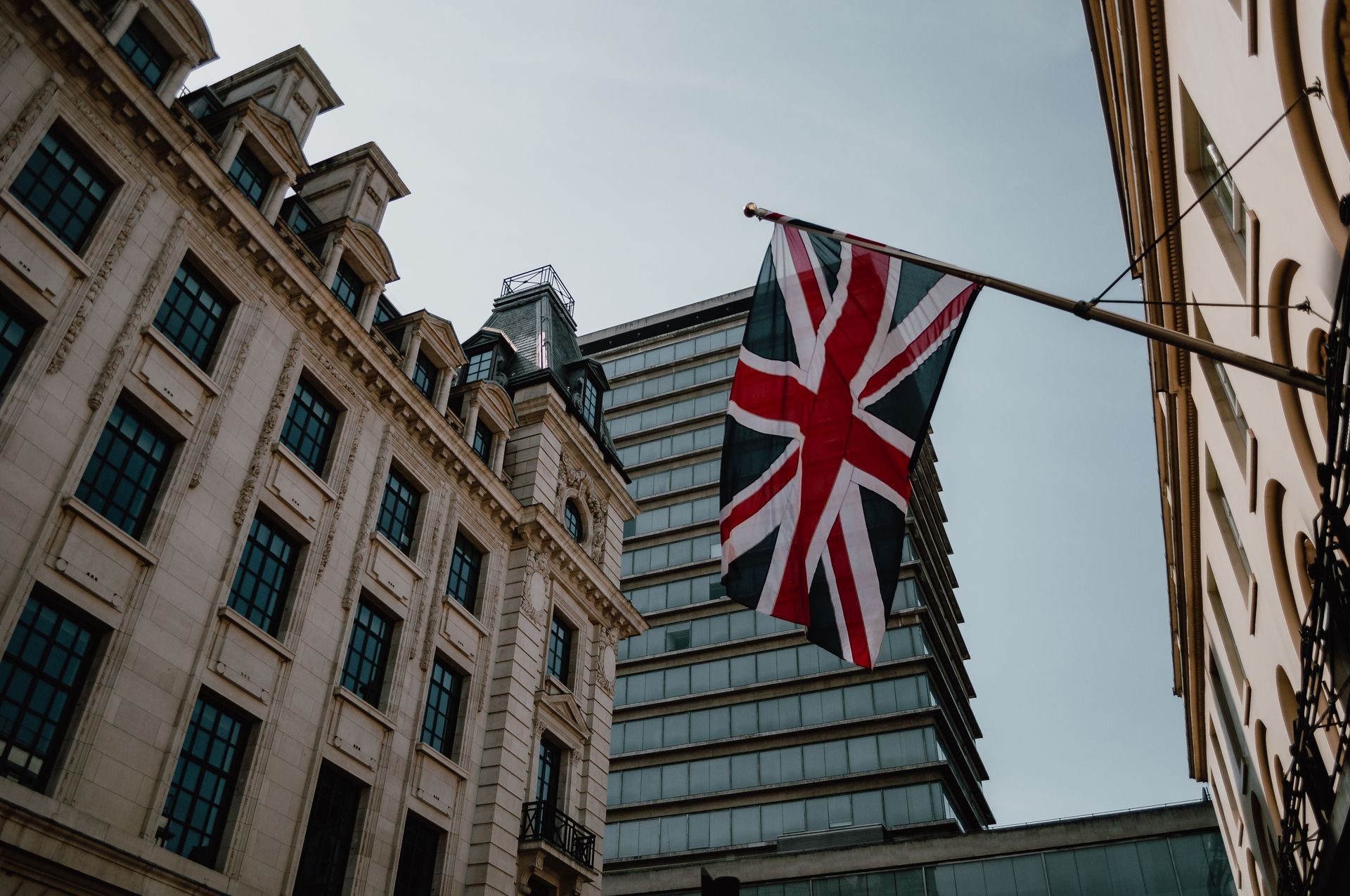
With all the chaos surrounding tax laws and inheritance regulations, many are hitting the reset button on where they choose to live and invest. Take the UK, for instance - there’s chatter about losing around 16,500 millionaires and billions in wealth as they jump ship due to tightening tax codes. Yikes!


The Rise of New Hotspots

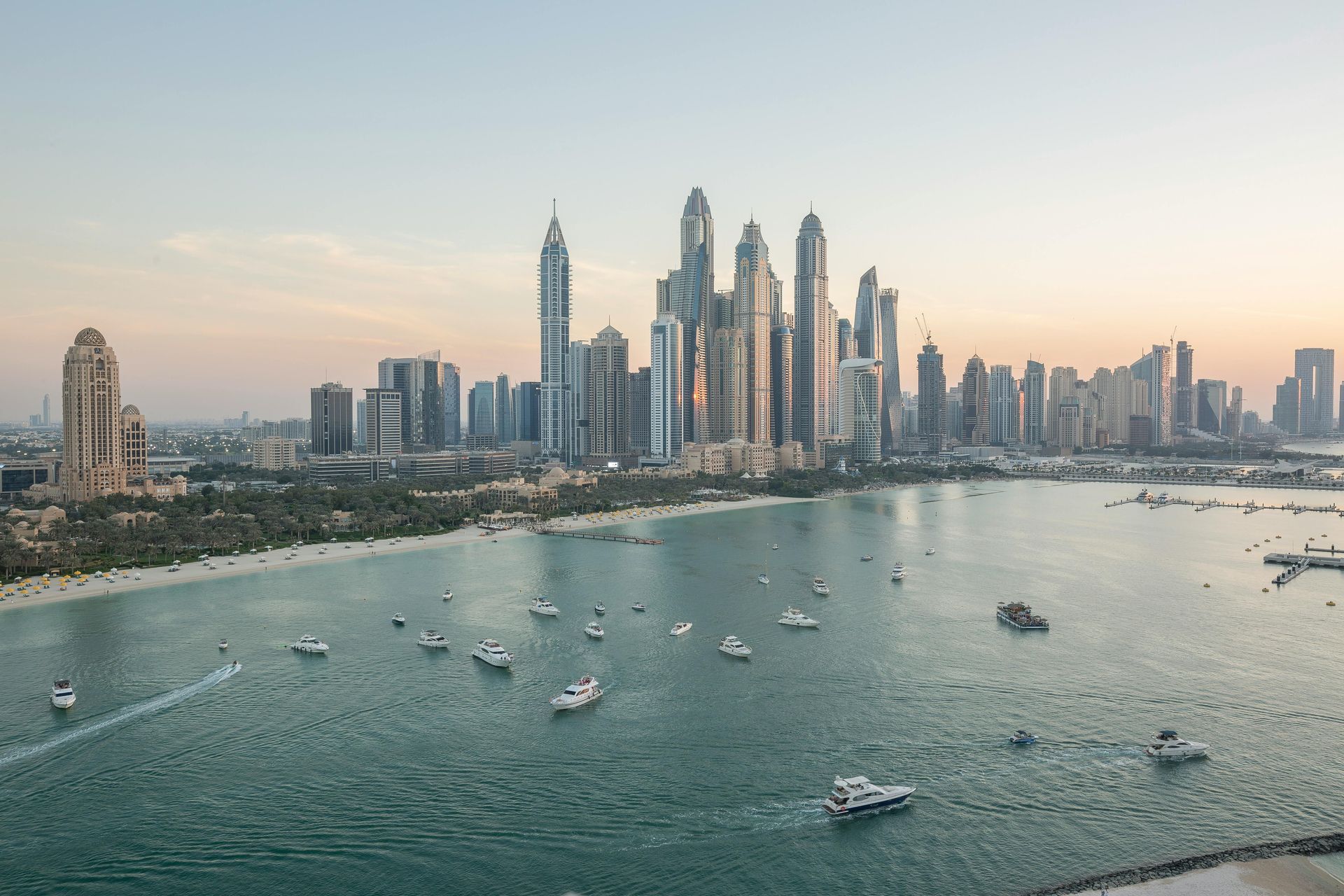
Enter the UAE - Dubai and Abu Dhabi are turning into the cool kids on the block for wealthy expats. Why? Zero personal income tax, flexible Golden Visa options, awesome infrastructure, and a buzzing economy make it super appealing. 

Then there’s Singapore, which remains a favourite for family offices and entrepreneurs, thanks to its solid regulatory environment and good connections to Asian capital markets. Oh, and don’t forget about Italy, Switzerland, Portugal, and Greece - these countries are still drawing in investors with sweet residency options and solid tax treatment.

This migration isn’t just about relocation; it’s like a wealth culture swap. It's not just cash that moves; entire business ecosystems follow suit - think investment vehicles, family businesses, and all that jazz. The impact? Serious shifts in property markets, start-ups and liquidity in those regions.


Understanding the Movers

Today’s wealthy are rethinking their places on the globe, not just chasing the best new hangout spot. According to surveys, they’re more focused on:

  • Asset Protection
  • Succession Planning
  • Global Mobility
  • Access to Top-Tier Schools and Healthcare
  • Political Neutrality
  • Regulatory Consistency
  • Wealth Preservation

This wave of migration isn’t just some trend - it’s a necessary adaptation. It’s become a crucial part of global wealth management, generating about $20 billion in the residence and citizenship advisory sector alone!

For many, the groundwork lays long before the physical move. Trusts, financial structures, and investment accounts are shuffled around, often recalibrating wealth and influence well before the actual moving vans show up.


Why are millionaires leaving the UK in 2026?

Many high-net-worth individuals are leaving the UK due to changes in tax policy, including reforms to the non-domicile tax regime, rising tax exposure, and concerns around long-term financial planning certainty. Wealthy individuals are increasingly relocating to countries with more favourable tax systems, stronger economic stability, and investor-friendly residency programmes.


What are the best countries for wealthy individuals to relocate to in 2026?

Some of the most popular destinations for high-net-worth individuals in 2026 include the UAE, Singapore, Switzerland, Portugal, Italy, and Greece. These countries attract wealthy migrants due to low or zero income tax, investment migration programmes, political stability, strong banking systems, and favourable wealth management environments.


Why are high-net-worth individuals moving to Dubai?

Dubai has become one of the world’s leading destinations for wealthy expatriates because of its zero personal income tax, Golden Visa programme, luxury lifestyle, international business environment, and growing financial sector. The UAE also offers strong infrastructure, safety, and global connectivity for international investors and entrepreneurs.


What is global wealth migration?

Global wealth migration refers to the movement of high-net-worth individuals and their assets from one country to another for reasons including tax efficiency, business expansion, political stability, asset protection, and improved quality of life. This trend is expected to continue growing throughout 2026 and beyond.


What is a Golden Visa and how does it work?

A Golden Visa is a residency-by-investment programme that allows foreign nationals to gain residency rights in exchange for qualifying investments such as property purchases, business investments, or approved government funds. Many countries use Golden Visa schemes to attract foreign capital and internationally mobile investors.


How do wealthy people legally reduce taxes through relocation?

Wealthy individuals often reduce tax exposure legally by changing tax residency, restructuring international assets, using double taxation treaties, and relocating to jurisdictions with more favourable tax systems. Effective planning requires full compliance with international tax regulations and reporting obligations.


Which countries have the best tax benefits for wealthy expats?

Countries frequently considered tax-friendly for wealthy expats include the UAE, Monaco, Switzerland, Singapore, Portugal, and Italy. Benefits may include zero income tax, reduced foreign income taxation, favourable inheritance rules, and flat-tax residency schemes.


Considering international relocation, residency planning, or cross-border wealth structuring?

Mosaic Chambers Group provides integrated support across tax advisory, legal services, corporate structuring, investment migration and wealth planning through our in-house specialists and carefully selected global partners. Whether you are relocating personally, expanding internationally, or protecting long-term family wealth, we offer coordinated guidance tailored to complex international requirements.


Get in touch with Mosaic Chambers Group to discuss your relocation strategy,

residency options, corporate setup, and international advisory needs.
Contact Us
By Amie Roberts May 13, 2026
One of the biggest mistakes relocating families make is assuming schools work the same way everywhere. They do not. A school is never just a school during an international move. It becomes part of your child’s emotional adjustment, your family’s routine, your social life, and often even your property search. The challenge is that every country approaches education differently. Expectations around discipline, homework, parent involvement, language, and academic pressure vary far more than many people expect before arriving. And while most families focus heavily on league tables and glossy campuses, the real questions are often much more practical: Can your child realistically settle there? Will the commute affect daily life? Does the school culture suit your family? How difficult is it to secure a place mid-year? These are the questions that matter long after the excitement of relocation fades. Dubai: Huge Choice, Heavy Competition Dubai has one of the largest international school markets in the world. Families relocating there can choose from: British curriculum schools American schools IB programmes Indian curriculum schools French and German schools Bilingual education options On paper, Dubai can seem like an educational dream for expat families. But the reality is far more competitive. The Best Schools Often Fill Before Families Arrive One of the biggest shocks for relocating parents is discovering how early some schools reach capacity. Highly regarded schools may already have: Waiting lists Assessment requirements Registration deadlines Sibling priority systems This becomes especially stressful for families relocating quickly for work. Parents often assume they can secure school places after arriving, only to discover that strong schools in desirable areas may already be full for the academic year. Timing matters enormously in Dubai. School Fees Are Only Part of the Real Cost Many expats budget for tuition fees but underestimate the wider financial reality of schooling in Dubai. Additional costs can include: Registration fees Uniforms School transport Laptops and tablets Extracurricular activities Overseas school trips For larger families, these costs rise very quickly. This is one reason why experienced relocation advisers often encourage families to think about education budgets before selecting housing or lifestyle expectations. Traffic Can Completely Change Family Life Dubai’s school geography matters more than many newcomers realise. A school that looks close on a map can become an exhausting daily commute during peak traffic hours. Some children spend: Over two hours a day in cars or buses Leaving home before sunrise Returning home exhausted That affects: Concentration Family time After-school activities Stress levels In Dubai especially, school choice and property choice should always be planned together.
By Amie Roberts May 13, 2026
There is a polished version of relocation that dominates social media. It is all skyline apartments, beach clubs, international schools with Olympic-sized swimming pools, and families apparently settling into new countries overnight without any disruption at all. The reality is usually far more complicated... Behind every successful international move sits an enormous amount of invisible planning. School admissions close unexpectedly. Healthcare systems work differently than families anticipated. Property searches take longer. Teenagers struggle emotionally. Parents underestimate how mentally exhausting it is to rebuild everyday life from scratch. After years working with relocating families, one thing becomes obvious very quickly: Relocation is rarely difficult because of the move itself - It becomes difficult because people underestimate the complexity of starting again in an unfamiliar system. Whether families are relocating to Dubai, Portugal, Italy, or Singapore, the same pattern appears repeatedly. Most people focus heavily on the visible parts of the move while overlooking the practical foundations that determine whether life abroad will actually feel manageable six months later. Relocation Is Really About Systems - Not Geography When families move internationally, they are not simply changing countries. They are entering entirely different educational systems, healthcare structures, administrative processes, banking rules, property markets, and social cultures. Even straightforward tasks suddenly become more complicated because nothing works quite the way it did before. That loss of familiarity is often what catches people off guard. In your home country, daily life runs almost automatically. You know how long appointments take. You understand contracts instinctively. You know which neighbourhoods are considered desirable, which schools have strong reputations, and how healthcare access works. Relocation removes that certainty overnight. This is why even exciting international moves can feel mentally exhausting. Common relocation stress points include: Navigating unfamiliar visa systems Understanding school admissions Opening local bank accounts Securing healthcare cover Finding suitable housing quickly Rebuilding social networks The emotional pressure often comes less from the move itself and more from the constant decision-making required afterwards. Dubai, Portugal, Italy and Singapore All Offer Very Different Lifestyles One of the biggest relocation mistakes is assuming every international destination offers a similar experience. They do not. Each country attracts different types of families and requires different expectations. Dubai: Fast-Paced and Highly International Dubai attracts professionals, entrepreneurs, and globally mobile families looking for opportunity, convenience, and ambitious lifestyles. The city offers: Excellent international schools Advanced private healthcare Modern infrastructure High levels of safety Strong expat communities But there are trade-offs. Many newcomers underestimate: Rising school fees Heavy traffic Lifestyle inflation Pressure to “keep up” Housing competition near top schools Dubai works best for families who enjoy energy, convenience, and fast-moving international environments.
More Posts